
Achieve Your Basic Life Support Certification Today

When it comes to saving lives in emergencies, having the right skills and certification can make all the difference. Basic Life Support (BLS) certification training equips you with essential techniques to respond effectively to cardiac and respiratory emergencies. Whether you are a healthcare professional, a first responder, or someone interested in emergency preparedness, obtaining your BLS certification is a crucial step.

Why Choose BLS Certification Training?
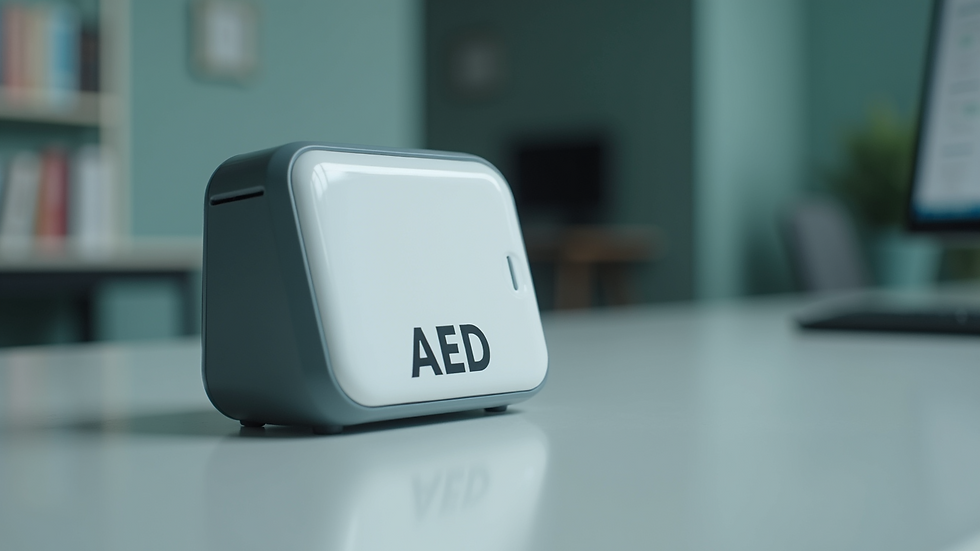
BLS certification training is designed to teach you how to perform CPR, use an automated external defibrillator (AED), and provide relief for choking victims. The training is practical and hands-on, ensuring you gain confidence in your ability to act quickly and correctly during emergencies.
Here are some key benefits of enrolling in BLS certification training:
Improved Emergency Response Skills: Learn how to assess a situation and provide immediate care.
Career Advancement: Many healthcare jobs require current BLS certification.
Increased Confidence: Feel prepared to help family, friends, or strangers in critical moments.
Legal Protection: Certification often provides legal safeguards when performing lifesaving techniques.
The training typically covers adult, child, and infant CPR, as well as how to recognize signs of cardiac arrest and respiratory distress. You will also learn how to operate an AED safely and effectively.
What to Expect in BLS Certification Training
BLS certification training usually involves a combination of online learning and in-person practice sessions. The course is structured to be accessible and straightforward, even for those with no prior medical experience.
Course Components
Online Modules: These cover the theory behind BLS, including anatomy, physiology, and emergency protocols.
Hands-On Practice: Under the guidance of certified instructors, you will practice CPR techniques on mannequins.
Skills Testing: You will demonstrate your ability to perform CPR and use an AED correctly.
Written Exam: A short test to assess your understanding of the course material.
Duration and Certification
Most BLS courses take between 3 to 6 hours to complete. Upon successful completion, you will receive a certification card valid for two years. This card is often required for employment in healthcare settings or volunteer emergency services.
Tips for Success
Practice chest compressions and rescue breaths regularly.
Pay close attention to instructor feedback during hands-on sessions.
Review online materials before attending practical classes.

Is a BLS Certification Free?
Many people wonder if they can obtain BLS certification without cost. The answer depends on where and how you choose to get certified.
Free Options
Some community centres, hospitals, or non-profit organisations offer free BLS training sessions as part of public health initiatives.
Occasionally, employers provide free certification for their staff.
Paid Courses
Most professional BLS certification courses charge a fee to cover materials, instructor time, and certification processing.
Prices typically range from £30 to £100 depending on the provider and course format.
How to Find Free or Affordable Training
Check with local health departments or community centres.
Look for special offers or discounts from accredited training organisations.
Ask your employer if they sponsor BLS certification.
While free courses can be a great option, ensure that the training is accredited and meets recognised standards. This guarantees your certification will be valid and accepted by employers or regulatory bodies.
How to Maintain Your BLS Certification
Once you have earned your certification, it is important to keep your skills and knowledge up to date. BLS guidelines can change based on new research and best practices.
Renewal Process
BLS certification typically expires every two years.
Renewal involves taking a refresher course that reviews key skills and updates.
Some providers offer online renewal options combined with a short practical session.
Staying Prepared
Practice CPR techniques regularly, even outside of formal training.
Stay informed about changes in emergency protocols.
Encourage others around you to get certified and trained.
Maintaining your certification ensures you remain ready to provide lifesaving care whenever needed.
How to Get Started with Your Basic Life Support Certification
Ready to take the next step? Getting your basic life support certification is easier than you might think. Here’s a simple plan to get started:
Research Accredited Providers: Look for reputable organisations offering BLS certification training.
Choose Your Course Format: Decide between in-person, online, or blended learning options.
Register and Prepare: Sign up for the course and review any pre-course materials.
Complete Training and Testing: Attend sessions, practice skills, and pass the assessments.
Receive Your Certification: Obtain your certification card and keep it accessible.
By following these steps, you will be equipped with the knowledge and skills to make a real difference in emergencies.

Taking the initiative to complete your BLS certification training is a valuable investment in your personal and professional development. It empowers you to act confidently and effectively when lives are at stake. Don’t wait - start your journey to becoming a certified lifesaver today!

Comments